
Iwate Prefecture [岩手]
Outline of Iwate Prefecture
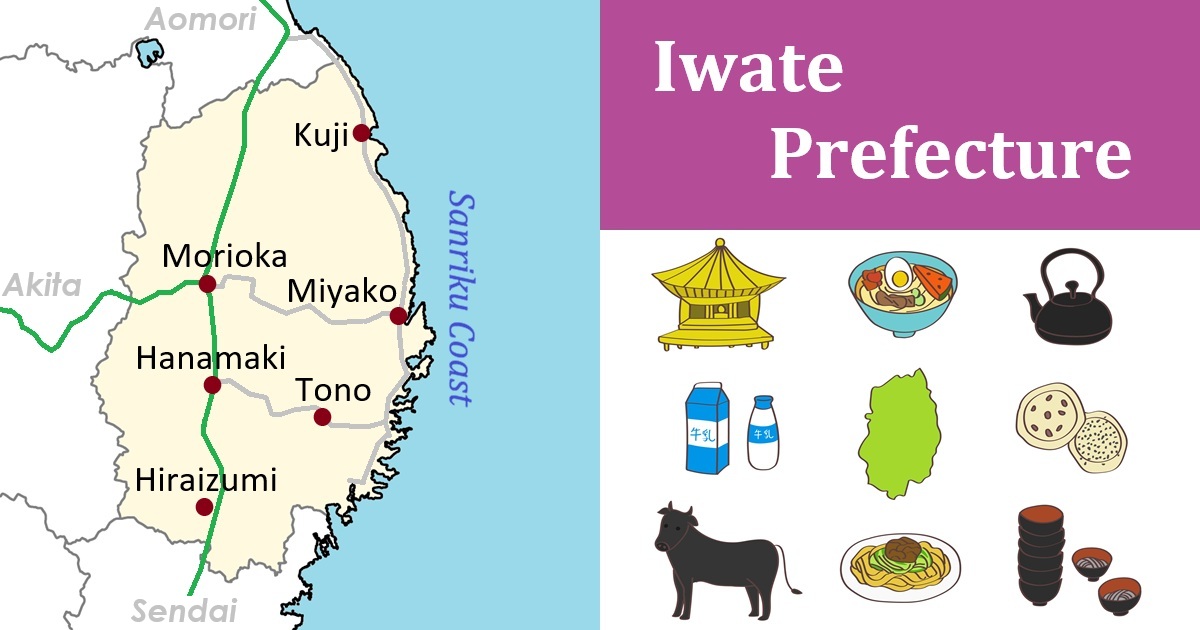
Iwate Prefecture is located at northeast part of Tohoku Region.
It is a nearly oval shape about 190 km from north to south and 120 km from east and west in width.
This is the largest prefecture in Japan except Hokkaido.
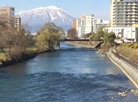
Kitakami River flows through the center of prefecture from north to south, and most cities are along the river.
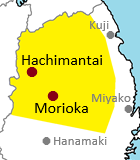
Morioka city is the prefectural capital and is located at the center of the prefecture.
It is also near Kitakami river.
There is a historic town called Hiraizumi in the south.
There are the remains of a town built by a powerful local clan that ruled this region in the 12th century.
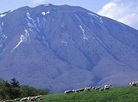
There are many mountains as much as 1,000 to 2,000 meters high on the both sides of the central area that Kitakami River flows.
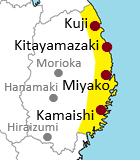
The eastern coast of the prefecture faces to the Pacific Ocean.
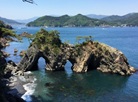
The long coastline is called Sanriku Coast.
The northern part is characterized by a continuous series of high cliffs, and the southern part features a succession of sawtooth coastlines.
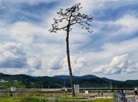
The entire Sanriku Coast suffered damage from a massive tsunami during the 2011 Great East Japan Earthquake.
This area is home to many scenic spots, but there are also several locations dedicated to passing on the lessons of the disaster to future generations.
In winter, much snow falls in whole prefecture.
Particularly the western mountain area has heavy snow.
But, the plains along the Kitakami River and the areas along the Sanriku Coast receive relatively little snow.
Tourist spots in Iwate Prefecture
Morioka city & northern area
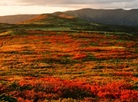
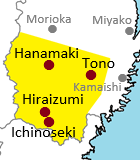
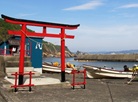
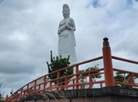
Southern area
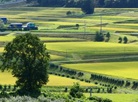
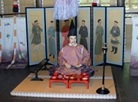
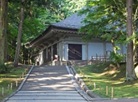
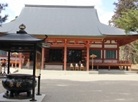
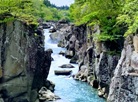
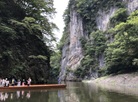
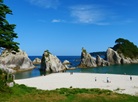
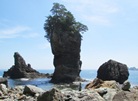
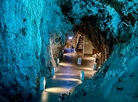
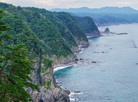
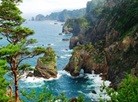
Sanriku Coast
Local foods in Iwate Prefecture
Wanko-soba
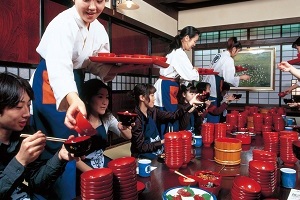
Photo by Iwate Prefecture
"Soba" is a major buckwheat noodle in Japan, but Wanko-soba is very unique in serving soba noodle.
Wanko-soba is the famous soba noodle in Morioka and Hanamaki cities.
"Wanko" is a dialect word from Iwate Prefecture that refers to a wooden bowl.
First, you hold an empty bowl.
Then, a waitress behind you puts a mouthful cooked cold soba noodle into your bowl quickly with a brisk call.
You eat (swallow) it immidiately.
As soon as your bowl is emply, the waitress puts next soba noodle into it.
This is repeated endlessly.
Wanko-soba is a competitive eating contest between the customer and the waitress.
It is said that about 15 bowls are equal to a normal bowl of soba noodle.
Adult men eat an average of 60 bowls, but the previous record was 755 bowls which were eaten by a woman in 2026.
When you give up your challenge of this competitive eating, you must put a lid on your bowl.
Even if you say "stop !", the waitress continues to put noodles during your bowl is without a lid.
In Morioka city, there are some Wanko-soba restaurants.
Reimen
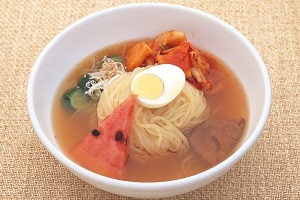
Photo by Iwate Prefecture
Reimen is a Korean cold noodle with soup.
It started when a Japanese cook born in North Korea served in 1954 at Morioka.
Of course, he made an effort to suit Japanese taste.
The noodle is white, and springy like rubber.
The soup is made from beef bones, and kimchi (Korean pickles) is topped.
Since the 1990s, it has become popular in Japan.
Now, Morioka is the best place of Reimen.
Jajamen
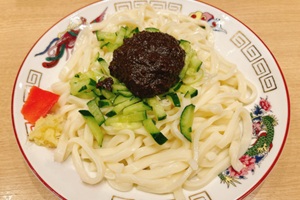
Jajamen is also one of popular noodle in Morioka.
A Japanese cook returned from Manchuria (current northeastern China) after World War II, then he started to serve it in Morioka.
He had eaten Chinese noodle "Zhajiang mian" in Manchuria, and he made it to suit Japanese taste.
On the boiled thin udon (Japanese white noodle), miso paste mixed with fried minced meat and chopped cucumber are topped.
Depending on individual taste, add a little vinegar, hot sesame oil, grated garlic or ginger to the dish.
After eating, you can order the soup made by adding broken egg and the miso into your used dish.
Nanbu-senbei
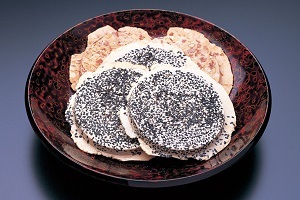
Photo by Iwate Prefecture
Nanbu-senbei is a traditional senbei (Japanese cracker) made in Nanbu area.
After mixing wheat flour with water, it is made by baking hard in a round mold.
It usually has a part running off the edge.
It tastes plain with a very little salty and is crisp.
And, the popular senbeis are mixed with black sesame or peanuts.
In addition, there is a unique soup that this senbei is used as one of cooking ingredients.
It is "Ssenbei-jiru" from the eastern part of Aomori Prefecture that was historically a part of the Nanbu domain.
Local specialties in Iwate Prefecture
Nanbu ironware
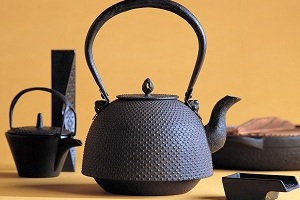
In Nanbu area, the materials of ironware had been yielded from old times.
So, various ironware has been produced since the 17th century.
Especially, tea ceremony became popular at that time, then good kettles to boil water were made in this area.
And, as the product for daily use, normal kettles were also made.
Today, Nanbu ironware is famous as one of Japanese traditional craft products.
Boiling water or cooking with Nanbu ironware offers excellent benefits such as efficient iron intake and a mellower taste to the water.