
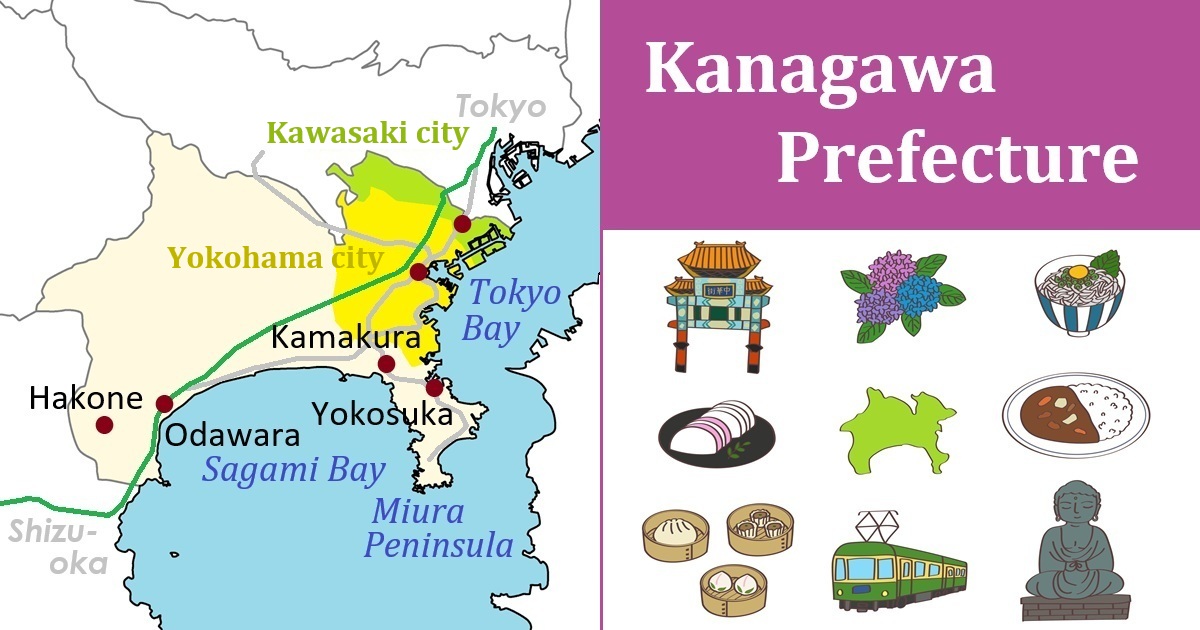
Kanagawa Prefecture [神奈川]
Tourist spots in Kanagawa Prefecture
Kawasaki city and Yokohama city
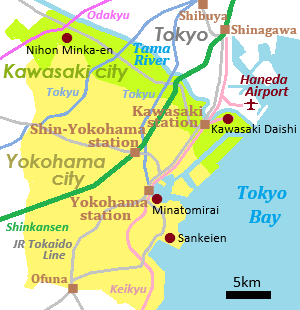
Kawasaki city (川崎) and Yokohama (横浜) city are commuter towns for Tokyo.
In addition, the coastal area serves as an important industrial area for the Tokyo metropolitan area.
Yokohama Port was opened as an international trade port in 1859, toward the end of the period when Japan was under a policy of national isolation.
As a result, Yokohama has developed into Japan's largest port city.
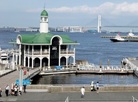
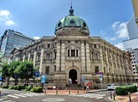
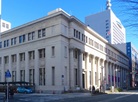
Most of Yokohama's tourist attractions are concentrated around the historic Yokohama Port.
A section of the port has been transformed into a redevelopment area called Minatomirai creating a new cityscape.
Tourist spots in Kawasaki city
Tourist spots near Yokohama Port
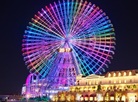
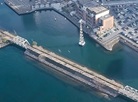
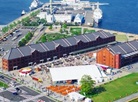
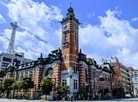
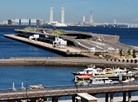
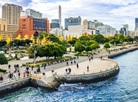
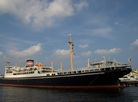
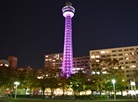
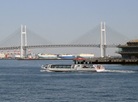
Tourist spots of former foreign settlements near Yokohama Port
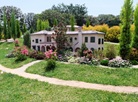
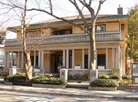
After the Port of Yokohama opened, many foreigners arrived, and a residential area for them was established southeast of the port.
The Chinese established Chinatown, and the Westerners built their homes in the hilly areas of Yamate.
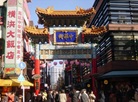
Other tourist spots in Yokohama city
Yokosuka city
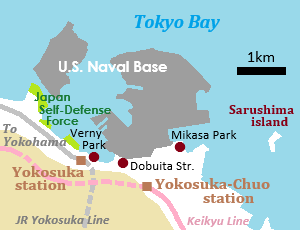
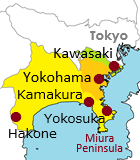
Yokosuka (横須賀) is a city located in the center of Miura Peninsula, and is located about 20 km south of Yokohama city.
The east side of the city faces Tokyo Bay.
The whole area is hilly, so there are several inlets along the coastline.
Because this area is near the entrance of Tokyo Bay, Imperial Japanese Navy opened the first naval port in 1872.
The naval port as Imperial Japanese Navy finished due to Japan's defeat in the Pacific War in 1945.
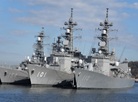
After that, this port area has been used as the bases of United States Navy and Japan Maritime Self-Defense Forces.
Now, Yokohama Port is the port for passenger ships and cargo ships, but Yokosuka Port is the port for navy.
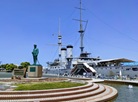
So, we can see various spots relating to the navy.
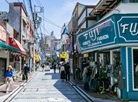
There are many shops and restaurants catering to American soldiers, giving the town an atmosphere that feels just like being in the U.S.
Tourist spots in Yokosuka city
Kamakura city
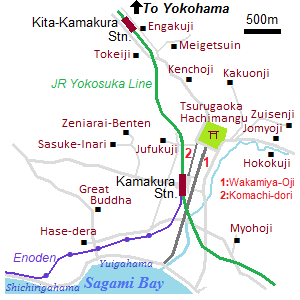
Kamakura (鎌倉) is a city located about 20 km south of Yokohama and faces Sagami Bay.
From around 1185 to 1333, the government of Japan had been placed here.
The founder of the government was Minamoto Yoritomo, the Shogun, and this was the first government in Japanese history to be led by the samurai class.
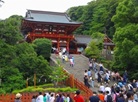
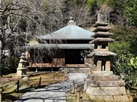
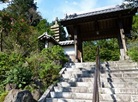
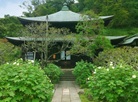
Although the city has long since lost its former charm, the many shrines and temples built during that era continue to attract visitors as part of the city’s historic appeal.
Kamakura has good beaches facing Sagami Bay.
There is Yuigahama beach (由比ヶ浜) at the south end of the approach of Tsurugaoka Hachimangu.
The eastern beach of Yuigahama is called Zaimokuza beach (材木座海岸), and the western beach of Yuigahama is called Shichirigahama (七里ヶ浜).
Long and beautiful sandy beaches stretches out.
These become swimming beaches in the summer, and the surfers visit year-round.
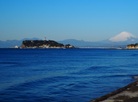
There is a land-connected island of Enoshima (江の島) to the west, and Enoden (Enoshima Electric Railway) like tram runs along the coastline.
From autumn through winter, you can often see Mount Fuji.
Tourist spots in central and western areas of Kamakura
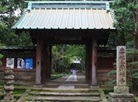
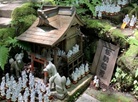

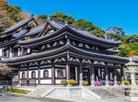
Tourist spots in northern and eastern areas of Kamakura
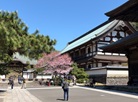
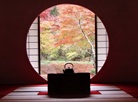
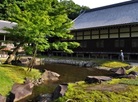
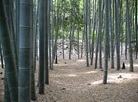
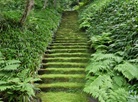
Other tourist spots in Kanagawa Prefecture
Miura Peninsula extends from the southeastern part of Kanagawa Prefecture.
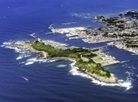
A small island called Jogashima is right next to the tip, and there is a fishing port called Misaki Port known for its tuna landings.
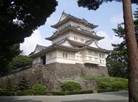
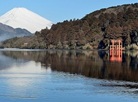
There is Hakone which is a popular hot spring resort at the southwestern tip of the prefecture.
The gateway to Hakone is Odawara city.
This area borders the neighboring Shizuoka Prefecture.
It is also close to Mount Fuji and Izu Peninsula, which is home to many hot spring resorts.
Local foods in Kanagawa Prefecture
Kenchin-jiru
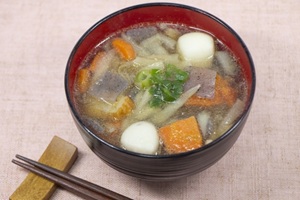
Kenchin-jiru is a clear soup made by daikon (Japanese white radish), carrots, burdock root, taro, konnyaku and tofu in sesame oil, adding dashi, simmering the mixture, and seasoning it with soy sauce.
This dish was originally one of the vegetarian dishes prepared by Buddhist monks at Kenchoji temple in Kamakura.
This has already become a staple of Japanese home cooking.
You can still enjoy the original kenchin-jiru at the restaurants around Kenchoji temple.
Shumai
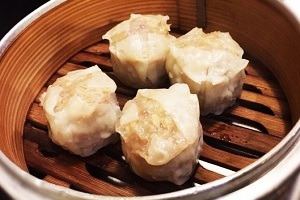
Shumai is a traditional Chinese dumpling.
It is made by wrapping ground pork and some vegetables with a thin sheet of dough and steaming it.
There is Japan's largest Chinatown, so Kiyouken in Yokohama began to sell the boxed shumai to take out in 1928.
(Kiyoken has named this product "Shiumai".)
Since then, the shumai has become the speciality of Yokohama.
(Kiyoken has named this product "Shiumai".)
Currently, residents of Yokohama eat by far the most shumai of any city in Japan.
Kiyoken shops can be found at many train stations around Yokohama, as well as in major department stores.
Yokosuka Navy Curry
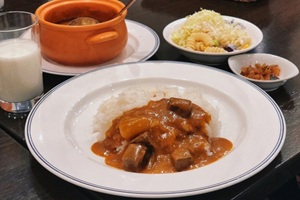
Navy curry and rice originates from an Imperial Navy dish.
The cooking guide was written in the cooking book of the Imperial Navy in 1908.
The dish is based on curry stew of the British Navy, and is very basic Japanese curry and rice.
Beef, carrot, onion and potato are cut into a small size and are stewed with curry powder, wheat flour and soup.
Then the curry stew is poured over boiled rice.
In fact, Japan Maritime Self-Defense Forces serves the curry and rice for the members every Friday.
There are several restaurants in Yokosuka that serve the original curry.
Odawara Kamaboko
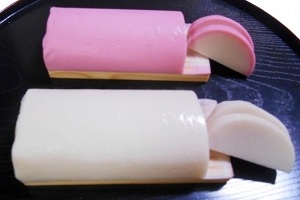
Kamaboko is a popular Japanese processed seafood.
It is made by placing pureed various white fish on a wooden board and steaming it.
In Odawara, the tasty kamaboko has been produced since the 18th century by using rich fish in Sagami Bay and delicious water from Hakone.
And there are some brand-name manufacturera of kamaboko in Odawara.
Most manufacturers have a history spanning 150 to 250 years.
Many of the stores are located in Odawara city.
Local specialties in Kanagawa Prefecture
Hanoke Yosegi-zaiku
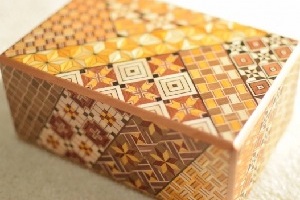
Yosegi-zaiku is a traditional woodwork.
By combining various types of natural wood with different colors and grain patterns, beautiful geometric patterns are created on the surface.
There has been various kinds of trees in Hakone area, so a craftman in Hakone first created the product using these woods in the early 19th century.
As the products, there are jewel box, small drewers, wooden tray, Japanese inlay, etc.
And the "secret box" is famous.
It is a puzzle-like box that you can't open unless you slide the lids along in the correct sequence.
Simple secret boxes can be opened in 4 steps, but the most difficult ones can require more than 70 steps.