
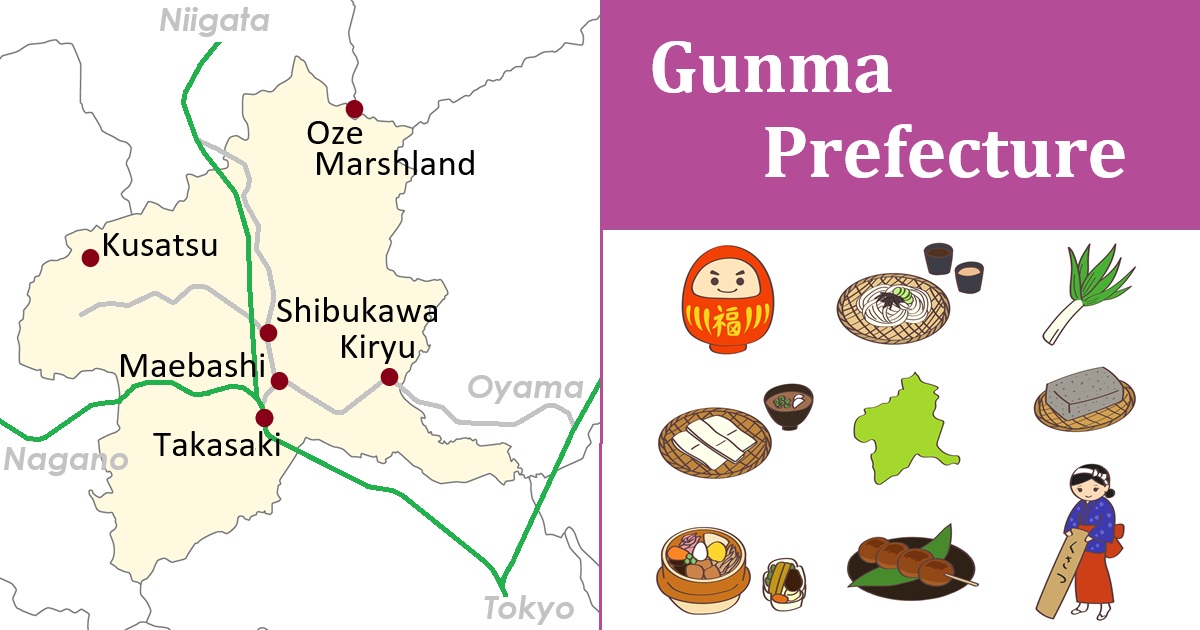
Gunma Prefecture [群馬]
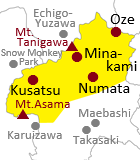
Tourist spots in Gunma Prefecture
Southern area
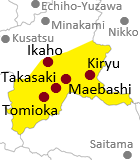
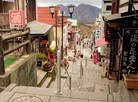
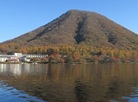
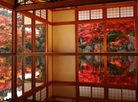
Various tourist spots in Tochigi Prefecture


Local foods in Gunma Prefecture
Okkirikomi
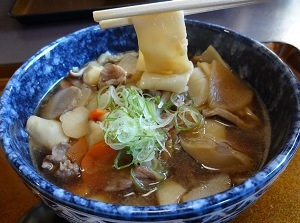
Photo by Gugutto Gunma
Okkirikomi is a home cuisine in Gunma Prefecture, and is similar to noodle stew.
The noodle is not "Udon" which is a general Japanese noodle made from flour.
After kneading dough and flattening out it, the noodle for Okkirikomi is made by cutting into over 1 centimeter wide strings.
Salt is mixed into Udon, but nothing is mixed with this noodle for Okkirikomi.
Then, this noodle is stewed with various vegetables in dashi soup with shoyu (soy sauce) or miso.
You can enjoy Okkirikomi at the Udon restaurants and the restaurants serving local cuisine throughout Gunma Prefecture.
Yaki-manju
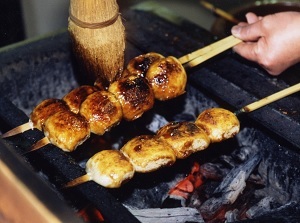
Photo by Gugutto Gunma
Manju is a Japanese traditional steamed cake filled with "an" (sweet bean jam).
Yaki-manju means "baked manju".
Three or four manjus without "an" are skewered, and they are grilled with coating sweet miso.
Manjus without "an" are used traditionally, but recently manjus with "an" are also sometimes used.
It is said that the people in Gunma sometimes argue whether "with an" is orthodox or not.
You can buy Yaki-manju at the traditional Japanese confectionery shops and roadside stations throughout Gunma Prefecture.
Local specialties in Gunma Prefecture
Konnyaku
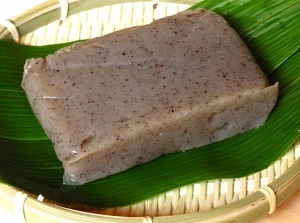
Konnyaku is one of the popular Japanese foods, and is like hard jelly.
(Konnyaku is pronounced "kon-nyaku".)
It is made by grinding the tuberous part of a plant in the Araceae family into a powder, mixing it with lime water and similar ingredients, and solidifying it.
Konnyaku has few calories and is hardly digested at all.
So, it is an ideal diet food.
And, it has little taste.
It was originally introduced from China and was eaten as an ingredient in the vegetarian cuisine of Buddhist monks.
It has long been used in the home cooking of ordinary Japanese people.
About 90 percent of konnyaku in Japan are produced in Gunma Prefecture.
Common konnyaku is made in the form of plates.
Sometimes we find konnyaku shaped like a ball.
Stringlike konnyaku is called "shirataki", and it is the important ingredient essencial for "Sukiyaki".
Shimonita negi
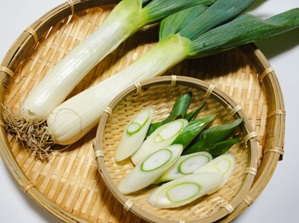
Negi is one of the popular Japanese vegetables, and is translated as "Welsh onion", "green onion" or "scallion".
Negi is often used in various Japanese dishes as one of vegetables or as a condiment.
So, it is grown in almost every region of the country.
Shimonita negi is produced around Shimonita town located about 30 km west of Takasaki city.
Strangely, this variety of negi can't grow outside Shimonita area.
This is thicker than common negi, and the taste becomes sweet when it has cooked.
Daruma doll in Takasaki
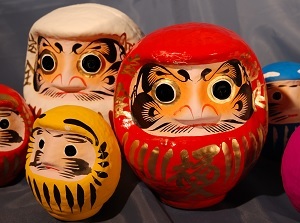
Photo by Gugutto Gunma
Daruma was an Indian priest who founded Zen Buddhism in early 6th century.
It is said that he had sat in Zen meditation for 9 years.
Daruma doll is modeled after his sitting pose without arms and legs.
The doll came from China around the 18th century.
When this doll has fallen down, it stands up soon.
About Daruma dolls, people find meaning that "Life is full of ups and downs", so they buy it as a lucky charm.
They are often sold in large quantities at souvenir shops near major Buddhist temples.
In Takasaki city, 80% of Daruma dolls in Japan are produced.